


Heatwave deaths, climate impact on workers highlighted in seminar
 Rabbia Zafar
|
2 hours ago
Rabbia Zafar
|
2 hours ago
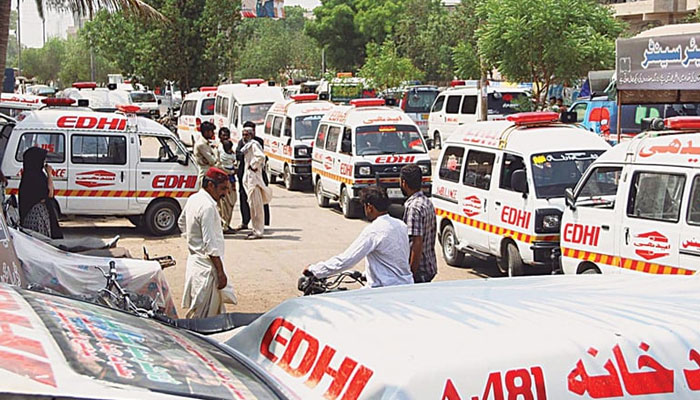
A seminar held in Karachi on the occasion of International Workers’ Day highlighted the disproportionate impact of climate change on Pakistan’s labour force, with speakers citing past heatwave casualties and broader social challenges faced by workers.
The event, organised by the Pakistan Institute of Labour Education and Research (PILER), focused on the theme “Climate Change and Workers’ Rights.” Speakers stressed that while the working class contributes minimally to environmental degradation, it bears the heaviest burden of climate-related disasters.
During the discussion, participants referred to the devastating 2015 Karachi heatwave. According to claims cited from the Edhi Foundation records, around 5,000 deaths were reported during the extreme heat event, although official government figures placed the toll at approximately 300. Most of the reported victims were from low-income and daily-wage labour backgrounds.
Speakers argued that such disparities in data highlight the need for transparent reporting and better disaster management systems, especially for vulnerable communities living in urban slums and informal settlements.
The seminar also raised concerns over broader public health and education challenges. Participants referred to the reported detection of HIV cases in newborns at a Karachi hospital as a serious issue requiring urgent, impartial investigation. Additionally, they highlighted that an estimated 26 million children in Pakistan remain out of school, many of whom belong to labouring families.
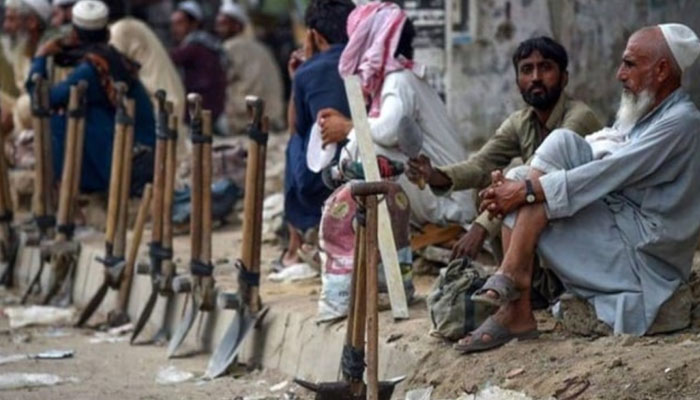
Experts at the event emphasised that climate change is intensifying existing inequalities, particularly affecting workers who lack access to healthcare, safe housing, and social protection. Rising temperatures, they warned, are likely to increase health risks for outdoor workers unless urgent adaptation measures are implemented.
The discussion concluded with a call for stronger labour protections, improved urban planning, and targeted policies to protect vulnerable populations from the growing impacts of climate change.

Pakistan Navy fully ready and capable during ‘Maarka-e-Haq’: vice admiral

12 countries condemn Israeli attack on Gaza aid flotilla
Heatwave deaths, climate impact on workers highlighted in seminar



1 hour ago

1 hour ago

2 hours ago

2 hours ago

2 hours ago

2 hours ago
- Foreign ministers from twelve countries, including Pakistan, have strongly condemned Israel’s reported attack on the Global Sumud Flotilla, a humanitarian…
- The United States is reportedly considering a series of limited but powerful military strikes against Iran in an effort to…
- Iran’s Supreme Leader Mojtaba Khamenei said the Gulf future would be bright without US presence, stressing regional independence. He stated…
- The United States is planning a new alliance to restore shipping in the Strait of Hormuz, aiming to ensure safe…

- The Healthcare Devices Association of Pakistan (HDAP) has raised serious concerns over the continued presence of banned reusable syringes in…
- Federal health authorities have ordered strict nationwide enforcement of a ban on conventional disposable syringes and initiated a policy review…
 Pakistan’s second national anti-polio campaign of 2026 is continuing across the country, with efforts now in its sixth day as…
 A shocking report by BBC has triggered nationwide outrage in Pakistan after alleging severe medical malpractice at a Tehsil Headquarter…




- Sindh Rangers, acting on intelligence-based information, have arrested a suspected…1 hour ago
- Pakistan Navy leadership has said that the force successfully…1 hour ago
- A hearing in the foreign funding case involving PTI founder…2 hours ago
- Foreign ministers from twelve countries, including Pakistan, have strongly condemned…2 hours ago